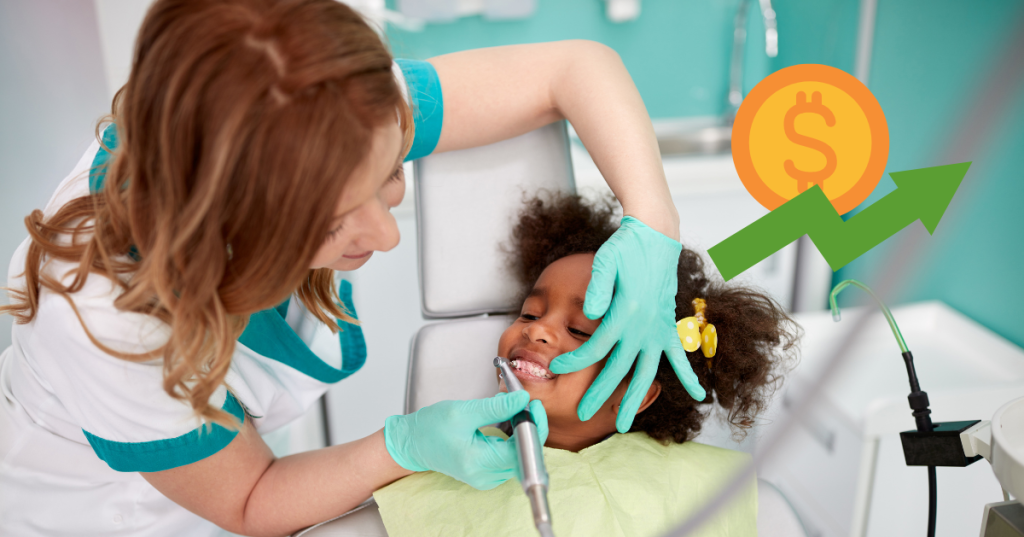
Rediscovering Confidence: The Subtle Impact of Dental Wellbeing

The Hidden Connection Between Oral Health and Self-Assurance

The relationship between dental health and personal confidence represents one of the most profound yet understated aspects of overall wellbeing. When individuals maintain excellent oral hygiene and address dental concerns promptly, possibly with a dentist Borehamwood, the ripple effects extend far beyond the confines of the mouth. This intricate connection between dental care and self-assurance has captured the attention of healthcare professionals, psychologists, and researchers alike, revealing fascinating insights into how our smiles influence our daily interactions and personal outlook.

The psychology behind dental confidence operates on multiple levels, affecting everything from professional relationships to social encounters. When people feel comfortable with their dental appearance, they naturally exhibit more open body language, engage more readily in conversations, and approach challenges with greater enthusiasm. This phenomenon has been observed across various demographics and age groups, suggesting that dental wellbeing serves as a fundamental component of psychological health.

The Science Behind Smile Psychology

Research into the psychological impact of dental health on mood and behaviour has revealed compelling evidence about the mind-body connection. When individuals receive proper dental care, measurable improvements in self-esteem and social confidence typically follow. The act of smiling triggers the release of endorphins, dopamine, and serotonin, creating a natural mood enhancement that benefits both the individual and those around them.

Professional dental practitioners have observed these transformations firsthand, noting how patients often experience renewed confidence following successful treatments. Whether addressing cosmetic concerns, resolving functional issues, or maintaining preventive care, the journey towards optimal dental health frequently coincides with increased social engagement and professional assertiveness. A skilled dentist patients trust can provide comprehensive care that addresses both functional and aesthetic concerns, supporting this vital connection between oral health and confidence.

Beyond Aesthetics: The Functional Foundations

Oral Health’s Role in Daily Comfort

The influence of dental wellbeing extends beyond visual appeal to encompass fundamental aspects of daily comfort and function. Proper dental health ensures comfortable eating, clear speech, and freedom from the distraction of oral discomfort. These seemingly basic functions play crucial roles in social confidence, as individuals can focus entirely on their interactions rather than worrying about potential dental issues or self-consciousness about their oral health.

The Social Dynamics of Dental Confidence

The social implications of dental wellbeing manifest in countless daily interactions, from casual conversations to important presentations. Individuals with optimal oral health typically demonstrate increased willingness to participate in social activities, laugh openly, and engage in close conversations without hesitation. This enhanced social participation creates positive feedback loops, where increased confidence leads to more rewarding social experiences, which further reinforces self-assurance.

The workplace benefits of dental confidence prove particularly significant, as professionals with healthy smiles often report feeling more comfortable during meetings, presentations, and networking events. This comfort translates into more effective communication, stronger professional relationships, and increased career satisfaction. The unexpected connections between oral health and mental wellbeing continue to surprise researchers with their depth and complexity.

Building Sustainable Dental Confidence

Establishing lasting dental confidence requires a comprehensive approach that combines preventive care, professional treatment, and consistent home maintenance. Regular dental check-ups serve as the foundation for maintaining optimal oral health, allowing for early detection and treatment of potential issues before they impact confidence or comfort. This proactive approach prevents minor concerns from developing into more significant problems that might affect self-assurance.

The journey towards enhanced dental wellbeing often begins with addressing immediate concerns whilst establishing long-term maintenance routines. Professional guidance helps individuals understand their specific needs and develop personalised care strategies that support both oral health and confidence. Community initiatives promoting dental awareness and confidence-building through oral health have demonstrated remarkable success in encouraging positive dental habits across diverse populations.

Embracing the Path Forward

The relationship between dental wellbeing and personal confidence represents a powerful opportunity for individuals to enhance their quality of life through focused oral health care. By recognising the profound impact that dental health has on self-assurance, social interactions, and overall wellbeing, people can make informed decisions about their oral healthcare priorities. This understanding empowers individuals to view dental care not merely as a medical necessity but as an investment in their confidence, relationships, and personal satisfaction. The subtle yet significant impact of dental wellbeing continues to shape lives in meaningful ways, creating lasting positive changes that extend far beyond the dental surgery.

Revolutionising Oral Health with Digital Twin Technology

The Dawn of Personalised Dental Care

The dentist Richmond is experiencing a technological renaissance, with digital twin technology emerging as one of the most promising innovations to transform oral healthcare. This cutting-edge approach creates virtual replicas of patients’ teeth, gums, and entire oral structures, enabling dental professionals to deliver unprecedented levels of personalised care and precision treatment planning.

Digital twin technology represents a paradigm shift from traditional dental practices, offering a comprehensive digital representation that evolves alongside the patient’s oral health journey. By combining real-time data with sophisticated modelling capabilities, these virtual counterparts provide insights that were previously impossible to achieve through conventional examination methods alone.

Understanding Digital Twins in Dental Practice

At its core, a dental digital twin is a dynamic, three-dimensional model that mirrors a patient’s oral anatomy with remarkable accuracy. Unlike static dental impressions or basic digital scans, these sophisticated replicas continuously update based on new data inputs, creating a living representation of the patient’s oral health status.

The technology integrates various data sources to create these comprehensive models. Intraoral scanners capture detailed surface geometries, whilst radiographic imaging provides subsurface information about bone density and root structures. Advanced sensors can monitor factors such as bite force, jaw movement patterns, and even bacterial activity levels within the oral cavity.

Transforming Treatment Planning and Outcomes

Predictive Analytics in Orthodontics

One of the most exciting applications lies in orthodontic treatment, where digital twins enable practitioners to simulate various treatment scenarios before implementing any physical interventions. This predictive capability allows orthodontists to visualise how teeth will respond to different appliances and treatment timelines, optimising outcomes whilst minimising treatment duration.

Modern dental practices, including those operated by a dentist Richmond area, are beginning to explore how this technology can enhance their service delivery and improve patient satisfaction through more accurate treatment predictions and reduced chair time.

Precision in Restorative Procedures

The technology proves equally valuable in restorative dentistry, where digital twins facilitate the design of crowns, bridges, and implants with unprecedented precision. By simulating how prosthetic components will interact with existing oral structures, dental professionals can identify potential complications before they occur and adjust treatment plans accordingly.

Enhanced Preventive Care Strategies

Digital twin technology excels in preventive dentistry by identifying risk patterns and predicting potential oral health issues before they manifest clinically. These virtual models can simulate the progression of periodontal disease, predict areas susceptible to decay, and model the long-term effects of various lifestyle factors on oral health outcomes.

The predictive capabilities enable dental professionals to develop highly personalised prevention protocols, tailoring advice and interventions to each patient’s unique risk profile. This proactive approach represents a significant departure from traditional reactive treatment models, potentially reducing the need for extensive restorative procedures in the future.

Research and Clinical Applications

Recent studies have demonstrated the remarkable potential of digital twin applications in modern dental practice. Research into digital twin technology applications in dentistry reveals promising developments across multiple specialties, from oral surgery planning to periodontal treatment monitoring.

Clinical validation studies have shown impressive accuracy rates in treatment outcome predictions. Scientific research on digital modelling accuracy in dental applications indicates that these virtual representations can predict treatment results with precision levels exceeding 90% in many clinical scenarios.

Future Implications and Accessibility

The integration of artificial intelligence with digital twin technology promises even greater advances in oral healthcare delivery. Machine learning algorithms can analyse vast datasets from multiple digital twins, identifying patterns and treatment outcomes that inform evidence-based practice guidelines.

As the technology matures, accessibility concerns are being addressed through cloud-based platforms and more affordable scanning equipment. Current developments in digital twin implementation strategies suggest that widespread adoption may occur sooner than previously anticipated, potentially making this advanced technology available to practices of all sizes.

The democratisation of digital twin technology could fundamentally alter the landscape of oral healthcare, enabling even smaller practices to offer sophisticated treatment planning and predictive care services that were once exclusive to specialist centres.

The Future of Oral Healthcare

Digital twin technology represents more than just a technological advancement; it embodies a fundamental shift towards personalised, predictive, and preventive oral healthcare. As this innovative approach continues to evolve, patients can expect more accurate diagnoses, better treatment outcomes, and truly personalised oral health management strategies that adapt to their unique needs and circumstances.

Exploring the Intersection of Digital Wellness and Dental Marketing

The Digital Revolution in Dental Practices

The modern dental landscape has undergone a remarkable transformation, with digital wellness emerging as a pivotal factor in how practices connect with their patients. This evolution represents far more than a simple technological upgrade; it embodies a fundamental shift towards creating healthier digital relationships between dental professionals and their communities. As practices navigate this new terrain, the integration of digital wellness principles into their dental marketing strategies has become increasingly sophisticated and patient-centric.

Digital wellness, at its core, focuses on maintaining a balanced and mindful approach to technology use. When applied to dental practices, this concept extends beyond mere online presence to encompass the quality of digital interactions, the accessibility of information, and the overall patient experience in digital spaces. The convergence of these principles with modern dental marketing strategies has created unprecedented opportunities for practices to build meaningful, lasting relationships with their patients.

Understanding Digital Wellness in Healthcare Context

The healthcare sector has undergone a profound shift towards digital-first approaches, particularly accelerated by recent global events that necessitated remote consultations and the use of digital communication channels. Dental practices, traditionally reliant on in-person interactions, have had to adapt their communication strategies to maintain patient engagement whilst promoting healthy digital habits. This adaptation has highlighted the importance of creating digital experiences that enhance, rather than overwhelm, the patient journey.

Digital wellness in dentistry encompasses several key areas that directly impact patient satisfaction and practice growth. These include the strategic use of social media platforms, the development of user-friendly websites, and the implementation of patient communication systems that respect boundaries whilst maintaining accessibility. Practices that successfully integrate these elements often find themselves at a significant advantage in terms of patient retention and acquisition.

The Psychology of Digital Patient Engagement

Understanding the psychological aspects of digital interaction has become crucial for dental practices seeking to create authentic connections with their patients. Modern consumers, particularly those seeking dental services, often experience anxiety that can be either alleviated or exacerbated by their digital interactions with a practice. The manner in which practices present themselves online, respond to enquiries, and share educational content can significantly influence patient perceptions and decision-making processes.

Research indicates that patients increasingly value transparency, accessibility, and educational content from their healthcare providers. This trend has led many practices to adopt comprehensive digital marketing strategies that prioritise patient education and community building over traditional advertising approaches. The most successful practices recognise that digital wellness involves creating online environments where patients feel informed, supported, and genuinely cared for.

Implementing Ethical Digital Practices

The implementation of ethical digital practices requires dental professionals to consider the broader implications of their online presence and marketing efforts. This involves creating content that genuinely serves patient interests rather than purely promotional material. Successful practices have discovered that authentic storytelling, patient testimonials, and educational resources resonate far more effectively than traditional advertising approaches. The emphasis shifts from selling services to building trust and demonstrating expertise through valuable digital interactions.

Modern patients appreciate practices that respect their digital boundaries whilst remaining accessible when needed. This balance manifests in thoughtful email marketing campaigns, respectful social media engagement, and website designs that prioritise user experience over aggressive conversion tactics. Practices that excel in this area often report higher patient satisfaction scores and increased referral rates, demonstrating the tangible benefits of ethical digital approaches.

Measuring Success in Digital Wellness Marketing

The measurement of success in digital wellness-focused dental marketing extends beyond traditional metrics such as website traffic or social media followers. Progressive practices now evaluate their digital effectiveness through patient engagement quality, appointment completion rates, and long-term patient retention statistics. These metrics provide a more comprehensive understanding of how digital strategies impact overall practice health and patient satisfaction.

Analytics tools have evolved to capture more nuanced data about patient interactions, allowing practices to refine their approaches based on genuine patient behaviour patterns. This data-driven approach to comprehensive digital marketing for dental practices enables continuous improvement and ensures that marketing efforts align with patient needs and preferences. The most successful practices use this information to create increasingly personalised and relevant digital experiences.

Building Sustainable Digital Relationships

The intersection of digital wellness and marketing for dentists ultimately centres on building sustainable, mutually beneficial relationships between practices and their communities. This approach requires a long-term perspective that prioritises patient wellbeing over short-term marketing gains. Practices that embrace this philosophy often find themselves developing loyal patient bases that actively participate in their digital communities and serve as authentic advocates for their services.

The evolution from traditional to digital marketing approaches in dental practices represents more than a technological shift; it embodies a fundamental change in how healthcare providers connect with their patients.

Future Implications and Opportunities

The continued integration of digital wellness principles into marketing strategies promises to create more meaningful, effective, and sustainable patient relationships. As technology continues to evolve, practices that maintain their focus on patient wellbeing whilst embracing innovative digital approaches will likely find themselves best positioned for long-term success in an increasingly competitive marketplace.

Invisible Innovation: How Invisalign is Shaping the Future of Orthodontic Aesthetics

The Evolution of Modern Orthodontics

The landscape of orthodontic treatment has undergone a remarkable transformation in recent decades. Traditional metal braces, whilst effective, have given way to more sophisticated and aesthetically pleasing alternatives. At the forefront of this revolution stands Invisalign Luton, a groundbreaking clear aligner system that has redefined the way people approach dental correction.

Understanding the Technology Behind Clear Aligners

The science behind Invisalign Luton and similar clear aligner systems represents a significant leap in orthodontic innovation. Using advanced 3D computer imaging and precision manufacturing, these transparent aligners are custom-crafted to gradually shift teeth into their optimal positions.

Digital Precision and Customisation

Each treatment plan begins with detailed digital scanning of the patient’s teeth, creating a virtual model that allows orthodontists to plan the entire correction process with unprecedented accuracy. This technological approach enables practitioners to:

  • Create precise, custom-fitted aligners for each stage of treatment
  • Visualise the expected outcome before treatment begins
  • Make adjustments throughout the process as needed
  • Monitor progress with digital accuracy

Advanced Materials and Comfort Innovation

Modern clear aligner materials have evolved significantly, incorporating smart features that enhance both comfort and effectiveness. The latest generation of aligners utilises proprietary materials that offer improved elasticity and durability whilst maintaining crystal-clear transparency.

Smart Features and Treatment Efficiency

Contemporary clear aligner systems incorporate various technological advancements that have significantly improved treatment outcomes. These innovations include:

  1. SmartTrack® material for more predictable tooth movement
  2. Precision cuts and ridges for enhanced grip
  3. Variable thickness technology for optimal force distribution
  4. Built-in compliance indicators for tracking wear time

The continuous evolution of these features has made treatment with Invisalign Luton and similar systems increasingly efficient and reliable. Patients now experience more predictable results with fewer complications, whilst enjoying the convenience of removable aligners for eating and cleaning.

Patient Experience and Treatment Compliance

The success of clear aligner therapy heavily depends on patient compliance. Modern innovations have made it easier than ever for patients to stay on track with their treatment plans. Digital monitoring systems allow orthodontists to track progress remotely, whilst smart features help patients maintain proper wear schedules.

Digital Monitoring and Virtual Check-ups

The integration of artificial intelligence and remote monitoring technology has revolutionised how treatment progress is tracked. Patients can now:

  • Submit progress photos through smartphone apps
  • Receive real-time feedback on their treatment
  • Schedule virtual consultations when needed
  • Access treatment plans and progress reports digitally

These technological advancements have made Invisalign Luton treatments more accessible and convenient for patients with busy lifestyles, whilst ensuring optimal treatment outcomes.

Expanding Treatment Capabilities

Clear aligner technology continues to evolve, addressing increasingly complex orthodontic cases. Recent developments have expanded the scope of treatable conditions, including:

  • Severe overcrowding
  • Complex bite issues
  • Significant spacing problems
  • Orthodontic relapse cases

Integration with Other Dental Technologies

The future of clear aligner therapy lies in its integration with other cutting-edge dental technologies. This includes:

  1. 3D printed dental models for treatment planning
  2. Advanced imaging systems for precise diagnostics
  3. Digital smile design software
  4. Automated aligner customisation systems

Shaping Tomorrow’s Smile Today

As orthodontic technology continues to advance, the future of clear aligner therapy looks increasingly promising. The combination of improved materials, sophisticated digital planning tools, and enhanced monitoring capabilities has created a treatment option that is both effective and convenient. These innovations not only provide superior aesthetic results but also contribute to better overall oral health outcomes. The ongoing development of clear aligner technology represents a significant step forward in modern orthodontics, promising even more exciting advancements in the years to come.